From Engineer to Product Thinker
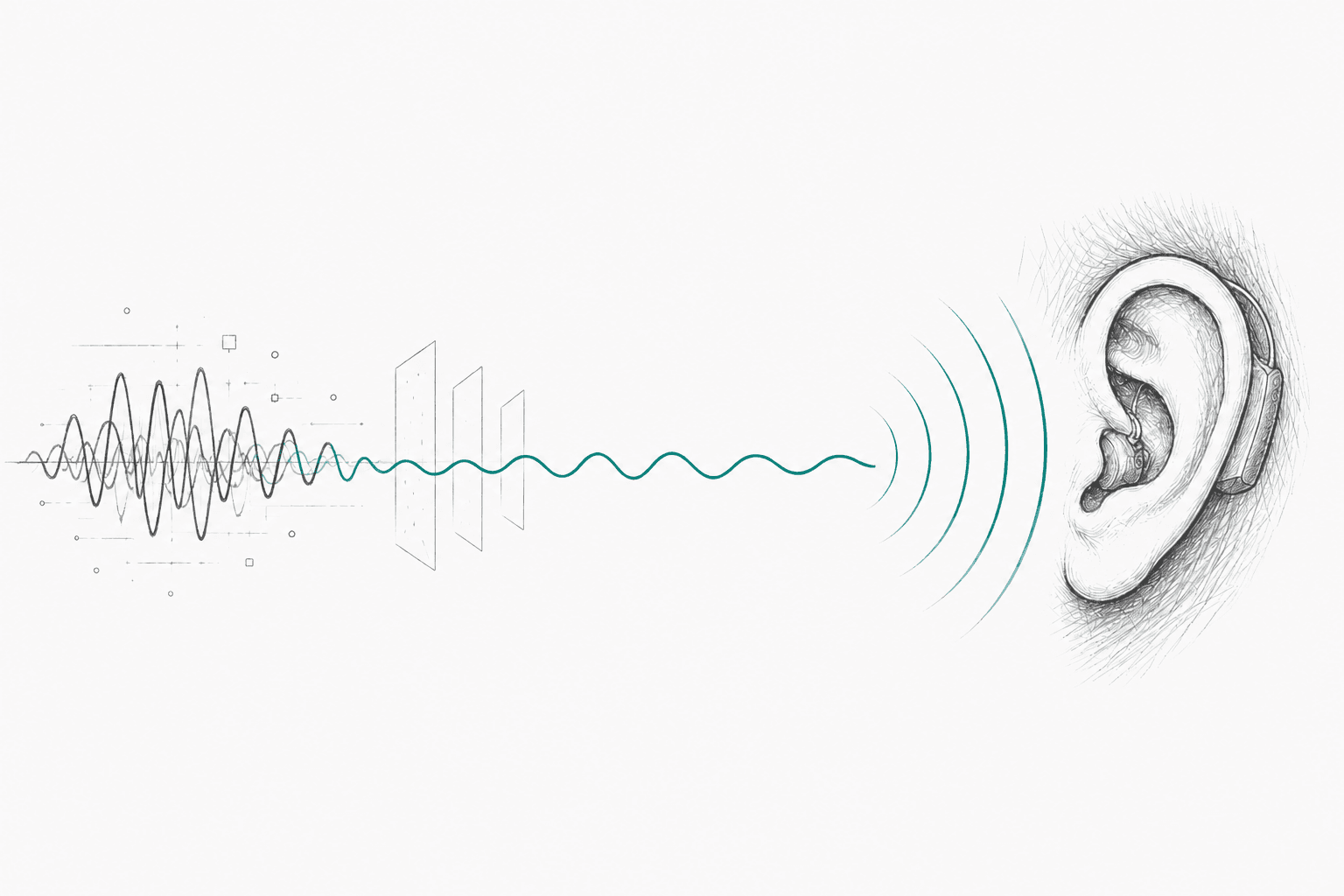
I joined neocustic in 2020 because I wanted broader technical responsibilities, a startup environment, and above all a domain where technology could improve the lives of people with hearing loss.
The subject was personally meaningful to me because hearing loss had affected someone close to me.
The role also allowed me to move professionally from a Java backend profile into full-stack product development across web, mobile, backend, AI integration, and connected hearing devices.
Setting
When I joined, neocustic was still at an early stage.
A first mobile application already existed. Users could manage their hearing aids manually, and we were already exploring AI to detect patient context.
But the ambition was much larger. We wanted to build a complete platform around hearing care, one that helped professionals do their work better, and helped people with hearing issues live better.
Complication
Two challenges sat at the center of the product.
The first was for hearing-care professionals: allow them to manage patients and configure hearing aids remotely.
The second was for patients. Many were older people, often less comfortable with technology. The mobile application had to be as simple and as autonomous as possible, something they could use with confidence, without depending on someone else at every step.
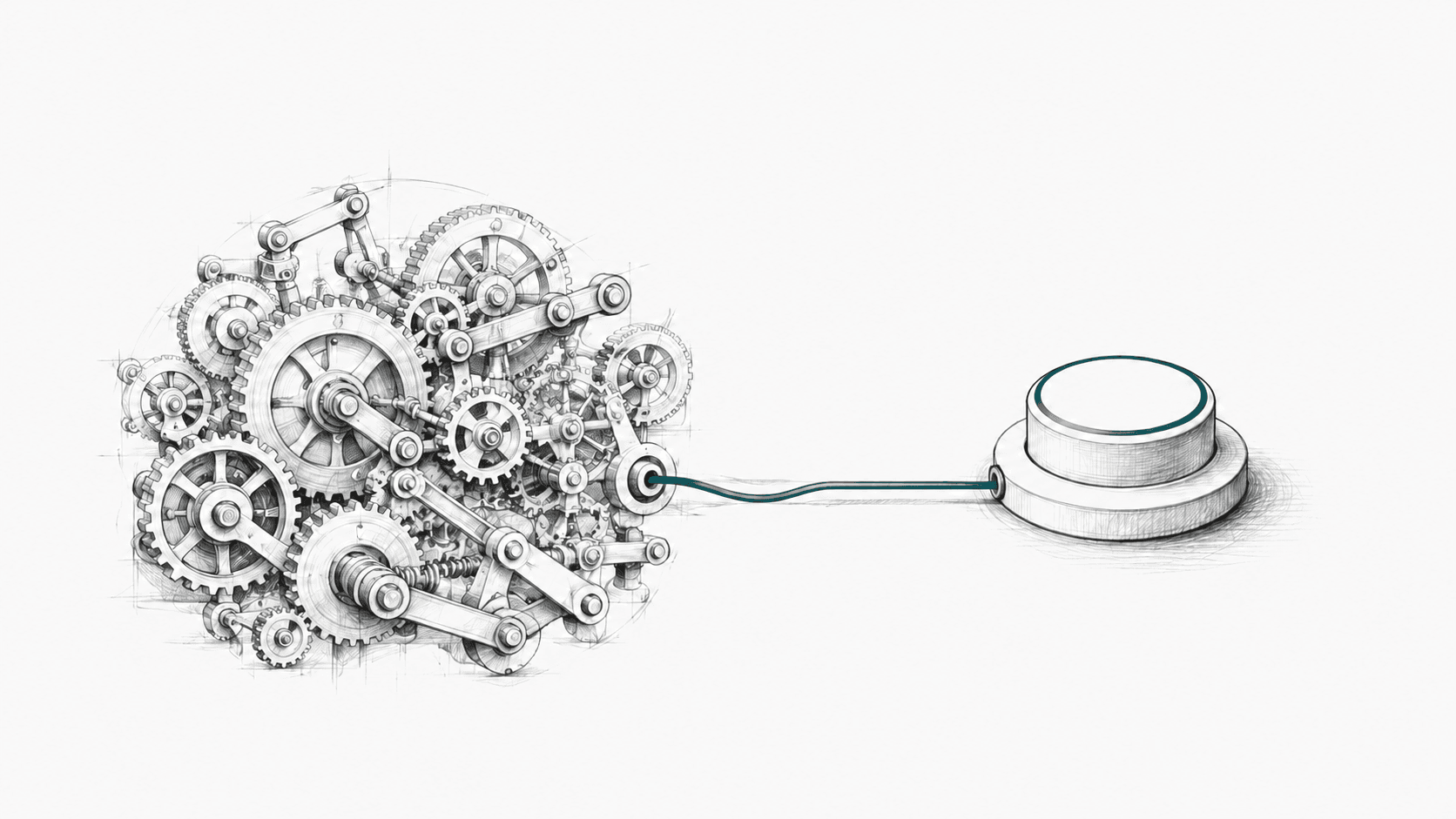
Behind both challenges was the same purpose: make care more accessible for people with hearing loss, without asking them to understand the systems underneath.
Turning Point
My role expanded beyond implementing features.
I helped identify the remote-fitting use cases that needed to be supported and define how the web application and the partner desktop application should communicate.
A key part of making the integration work was communication with the partner engineering team.
Understanding their system, aligning on use cases, and clarifying responsibilities made the technical integration much easier.
That reinforced an important lesson:
Some technical problems cannot be solved by code alone.
A technically correct integration was not enough. We had to improve two experiences at once.
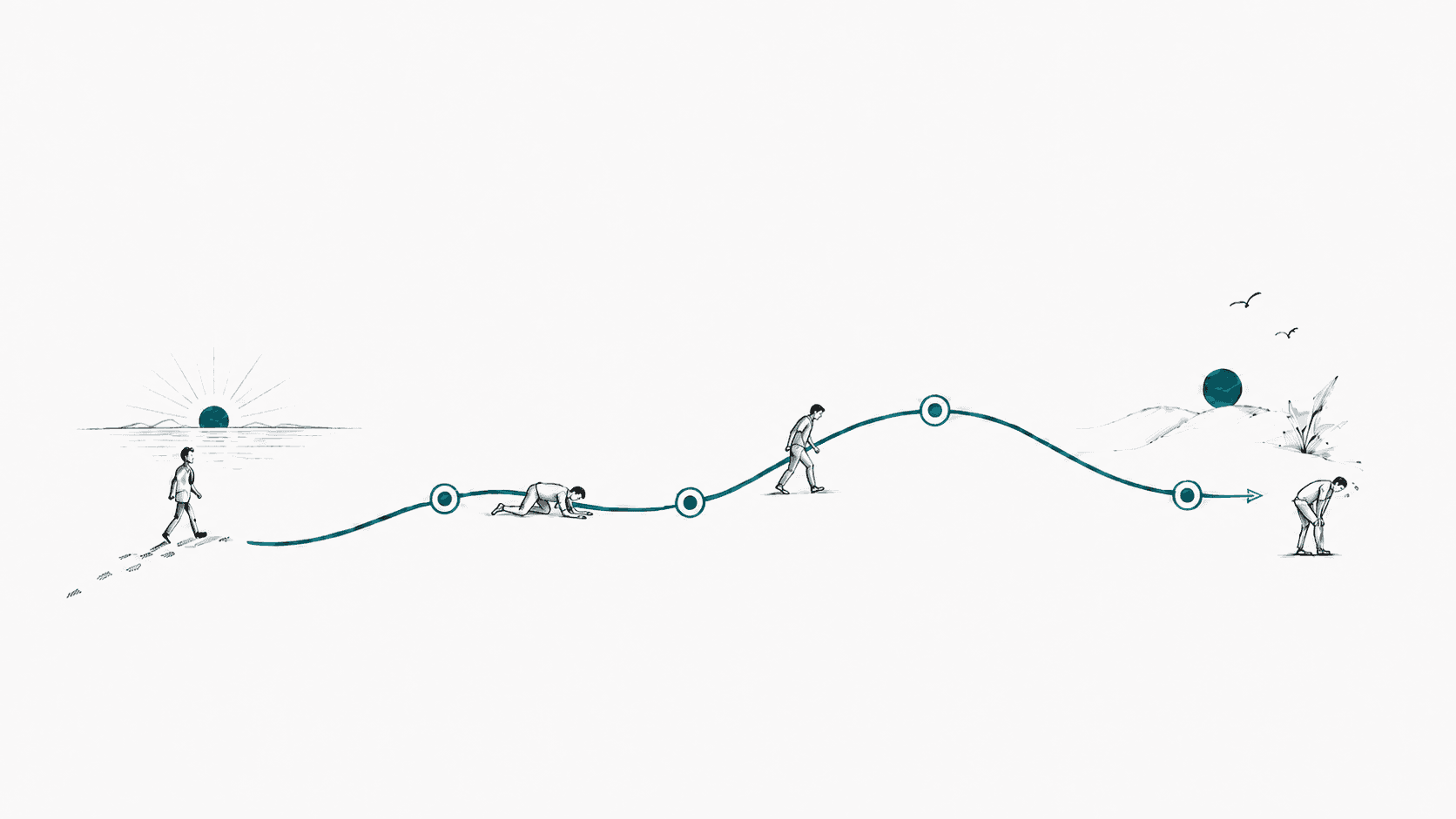
For hearing-care professionals, the workflow had to be explicit, clear, and require as few unnecessary steps as possible.
We interacted with them to understand their workflows, pain points, journey, and how they actually used the system. That shaped both the UX and the technical use cases we needed to support.
For patients, often older people, we worked to make the mobile experience as simple and autonomous as possible. They should receive better hearing with confidence, without depending on someone else at every step, and without seeing the complexity underneath.
AI integration made that autonomy more real. By identifying the patient's environment, the system could update the hearing aid fitting automatically, adapting to context without asking the patient to manage settings themselves.
The deeper question became: does this help the professional do their work better, and does it help the person wearing the hearing aids live better?
My way of working increasingly became:
understand the user → identify the problem → design the flow → solve the technical challenge
rather than simply:
receive a requirement → implement it
What neocustic changed in me
neocustic changed the scope of what I considered software engineering.
At Amadeus, I had learned how important reliability, testing, and disciplined engineering were.
At neocustic, I learned that a good system also requires understanding the people it serves: both the professionals who deliver care and the patients whose lives it is meant to improve.
Landing
neocustic also gave me first-hand exposure to the realities of an early-stage startup.
I wanted to understand more than engineering.
I was interested in how product, technology, people, money, and business decisions interact inside a small company because I had already been thinking about creating my own company one day.
Before COVID, I had planned to move toward freelancing as an intermediate step: charge for my expertise on a daily basis, gain more freedom, build more capital, and eventually invest in larger projects of my own.
COVID made me postpone that plan.
By the end of 2022, I decided to put it back into motion.
I left neocustic not because the experience had lost its value, but because I wanted to take more control over the direction of my career and test a different way of working.
neocustic taught me to build technology around people, professionals and patients, and around products that make care more accessible. The next step was to take more responsibility for the direction of my own work.